

 Contact
 New



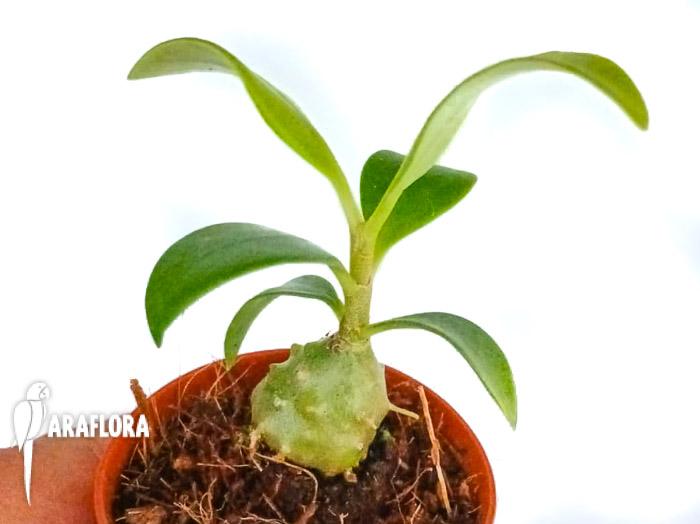
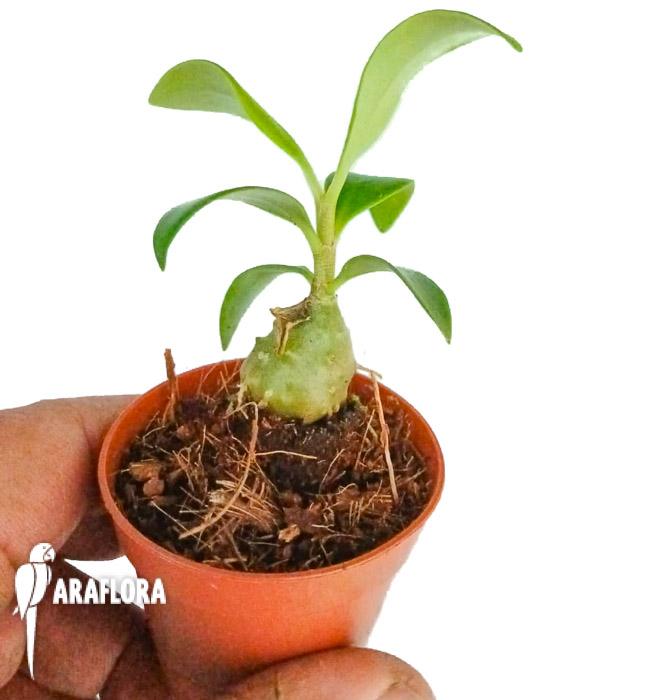
Hydnophytum papuanum Starter - Antp23c

Easy to care for

Indoor

Full light

Antplant
 5 cm
 5 cm
Hydnophytum papuanum Starter - Antp23c
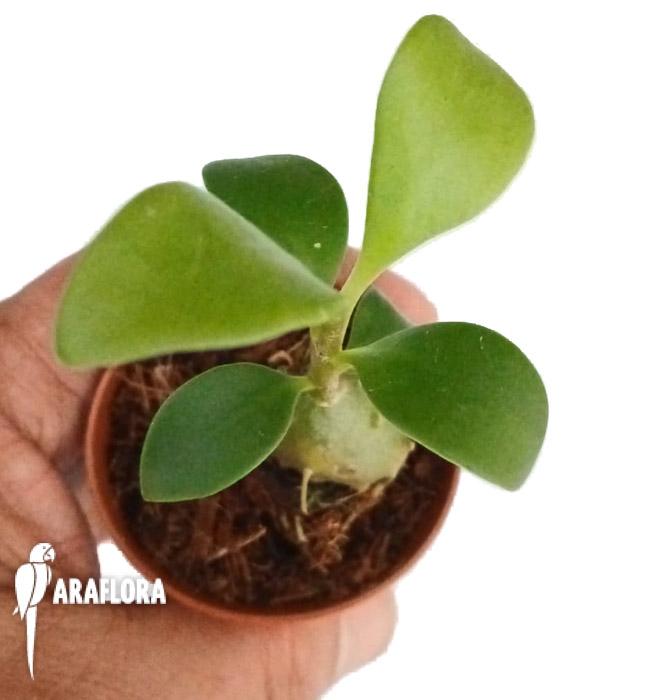
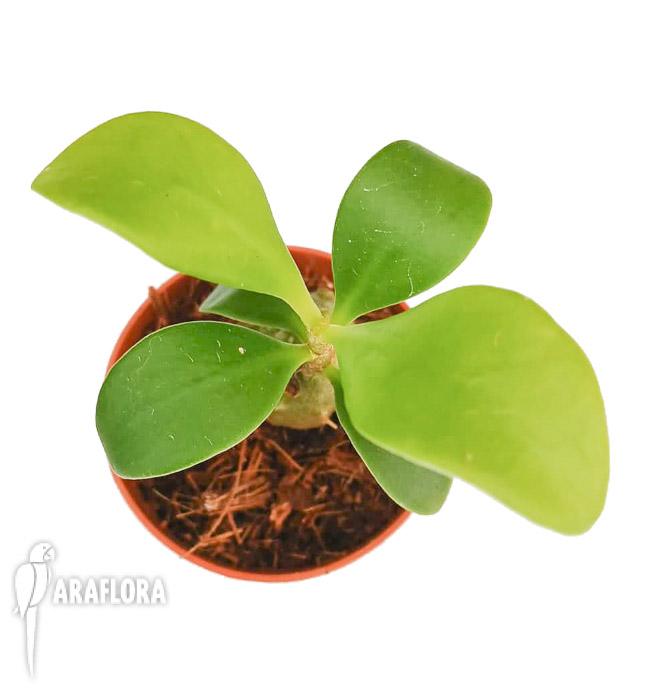
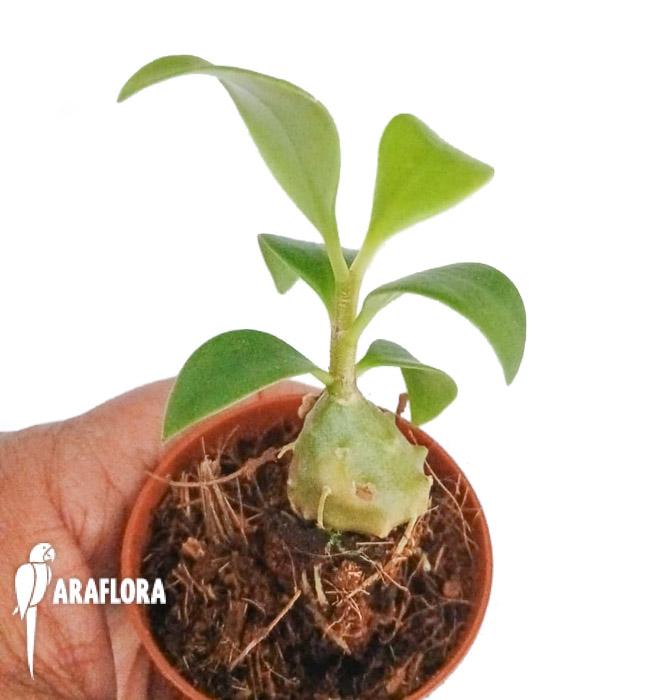
Discover the Hydnophytum papuanum ‘Starter’, a fascinating ant plant from the humid rainforests of Southeast Asia. With this compact size, you can watch this unique, caudiciform exotic grow from the very beginning in your own living room, making the ant plant a unique eye-catcher. It is a beautiful variant of the Hydnophytum that is guaranteed to draw attention in any plant collection.


This product is currently still in stock
Share this plant? Press on one of the following icons.
In nature, this Hydnophytum papuanum grows as an epiphyte high up in trees, where the plant develops an impressive tuberous stem. Inside this tuber, the unique ant plant builds an intricate network of tunnels and chambers itself. In the wild, this specific Hydnophytum lives in a close symbiosis with insects, but you do not have to worry about this in your living room. In your home, this ant plant remains completely empty and does not attract any pests. Sturdy stems with round, thick leaves grow from the robust tuber, later bearing subtle white flowers and striking, bright orange berries.











Caring for this Hydnophytum is surprisingly simple because the ant plant makes few demands. It is important to place this specific Hydnophytum in a location with plenty of bright, but indirect light to prevent leaf burn. Additionally, ensure a warm environment where the temperature for the ant plant never drops below sixteen degrees. Because the plant originates from the rainforest, it prefers a high humidity level, ideally above sixty percent.For healthy root growth, this ant plant requires a very airy and well-draining soil mix, such as a special substrate for the Hydnophytum or orchids. Only water when the soil has almost completely dried out, ensuring this Hydnophytum never sits in too much moisture. Always make sure that no excess water remains at the bottom of the pot after watering to prevent root rot in your ant plant. You can extra stimulate growth by feeding the plant monthly from spring to autumn with a light plant food.