

 Contact
  New
New 


Pinguicula x 'Tina' - CarniP47

Easy to care for

Container plant

Semi sun

Carnivorous
 8 cm
8 cm
 8 cm
8 cm
Pinguicula x 'Tina' - CarniP47
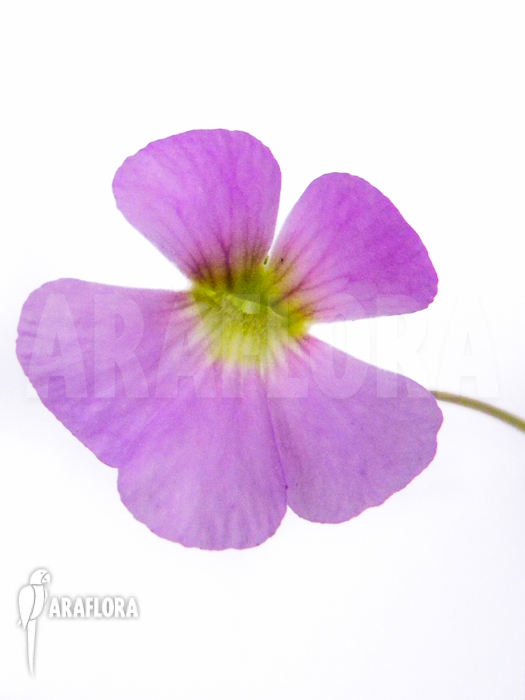
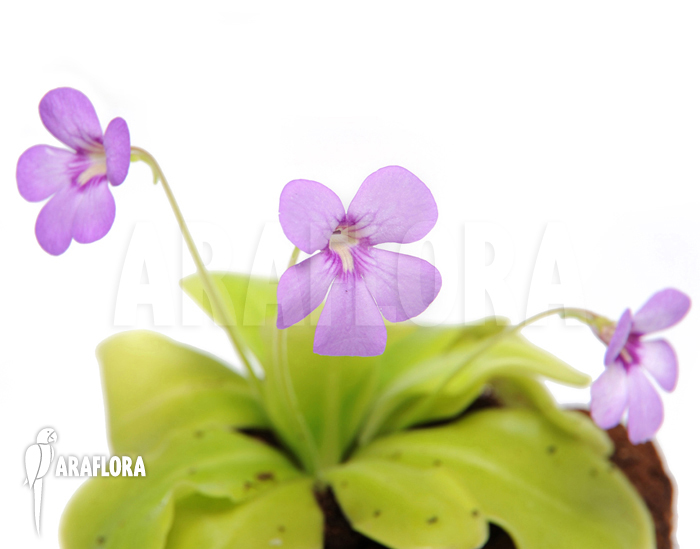
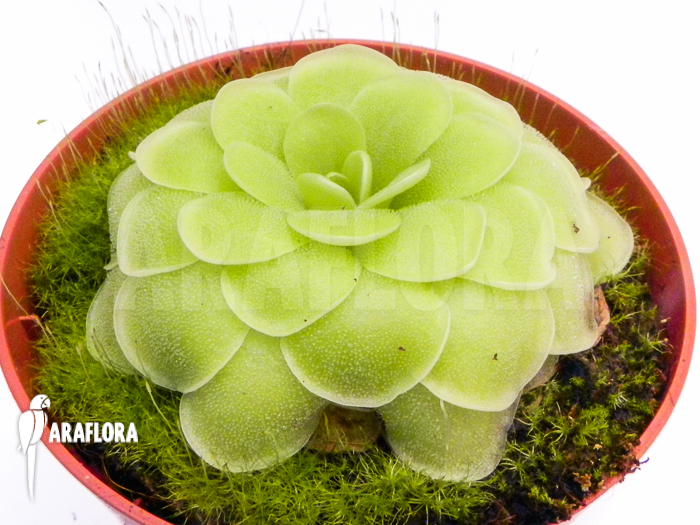
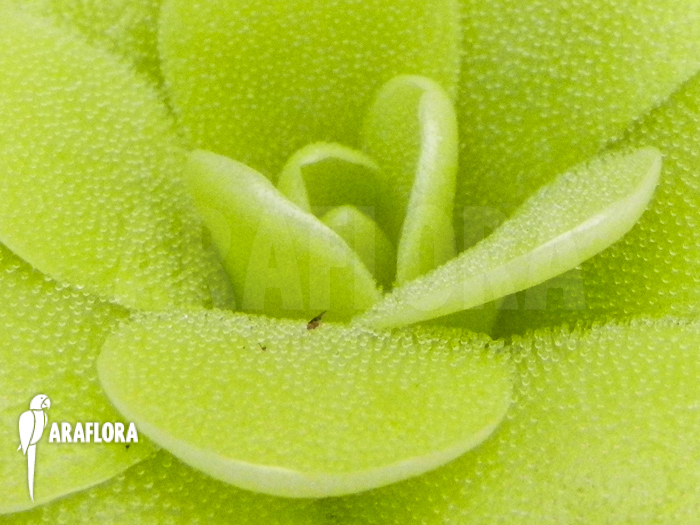
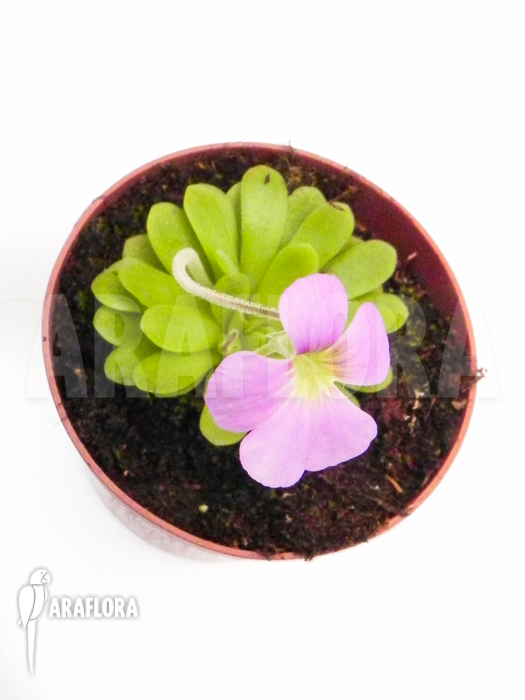
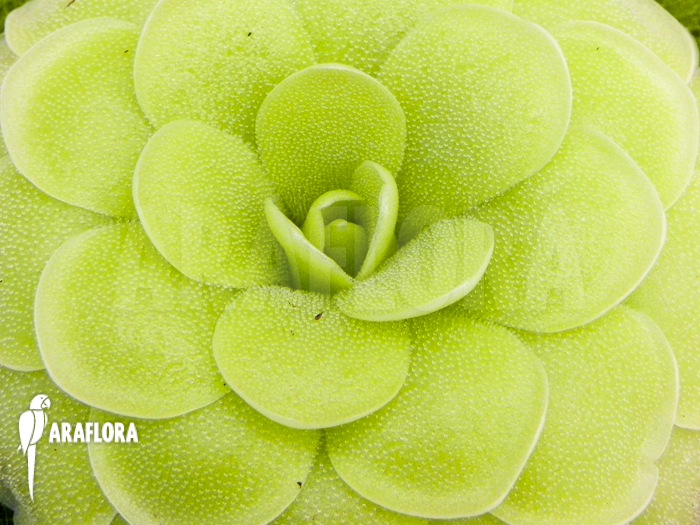
Pinguicula x ‘Tina’ is a hybridized carnivorous plant, commonly known as butterwort. This species produces oval shaped leaves containing many glands for trapping insects. In spring it could produce a single, purple flower. This plant is easy to care for and is very suitable for beginners.


This product is currently still in stock
Share this plant? Press on one of the following icons.
Pinguicula x ‘Tina’ is a carnivorous plant from the butterwort plant family (Lentibulariaceae). It is a hybridized plant and grows nowhere in the wild. The plant produces a rosette of egg shaped to oval, bright green leaves. The upper side of the leaves is covered with many glands producing a sticky substance where insects could be caught with. The insects are digested on top of the leaves, the nutrients available are used by the plant. Once per year, mostly in spring, one to several flower stalks are produced, carrying a single purple, spurred flower. Flowers are somewhat similar to the flower of a violet. Propagation is done by repotting the smaller rosettes forming near the base of the mature plant, or seeds.






Pinguicula x ‘Tina’ is an easy plant to take care for. For optimal growth of this species, provide temperatures between 15 and 25 degrees Celsius in summer. In winter this plant could handle even colder temperatures. This species is mostly grown in bright rooms indoors, cool greenhouses or specialized terraria. Pinguicula x ‘Tina’ grows best with bright indirect light. Direct sunlight could scorch the leaves. Pot this plant in mineral rich soil that is able to maintain moisture. Make sure that this soil contains very little nutrients. This plant needs constant moisture, it is possible to place the pot in a tray of water at all times. Fertilizer is rarely applied; it is possible to ‘feed’ the leaves with small insects occasionally.