

 Contact
  New
New 


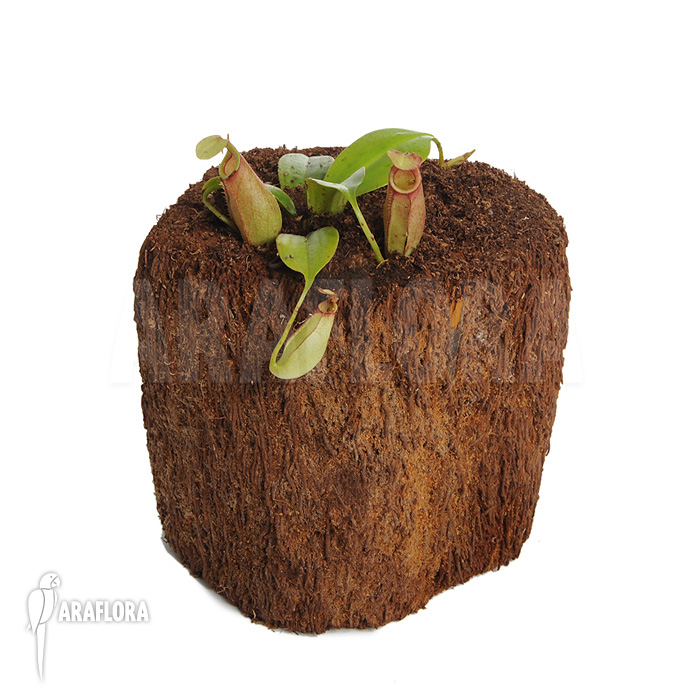
Nepenthes bicalcarata - CarniNep13

Easy to care for

Indoor

No direct sun

Carnivorous
 8 cm
8 cm
 8 cm
8 cm
Nepenthes bicalcarata - CarniNep13
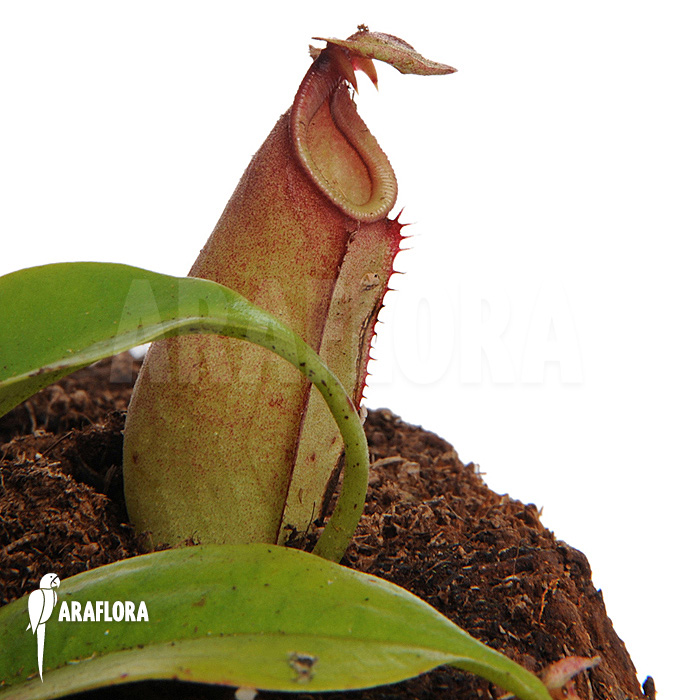
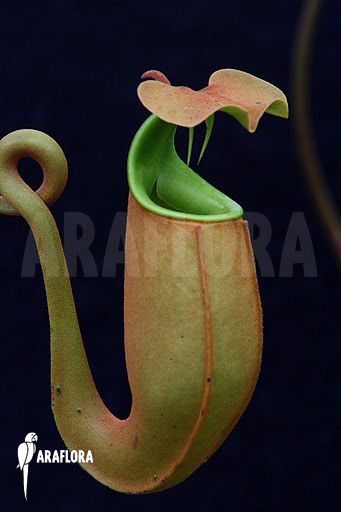
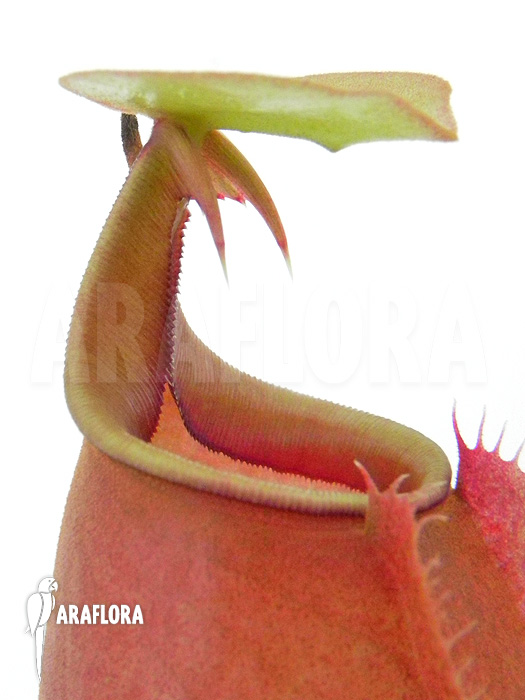
Many carnivorous plants appeal to the imagination but none more so than Nepenthes bicalcarata. For one thing it has two fangs on the underside of its pitcher lid that are both terrifying and fatal for small mammals in the tropical rain forest. Monkeys tend to drink less from the pitchers of this species than from those of other varieties.


Currently not in stock
€ 0,00
Keep me up to date?
Araflora will inform you as soon as the product is available again. Please fill in your e-mail address and we will let you know as soon as the product is back in stock. You will get an e-mail message when the product is available again. Unfortunately we cannot say how long this will be or what the price is likely to be.

Receive an e-mail when new stock of this plant arrives.
Share this plant? Press on one of the following icons.
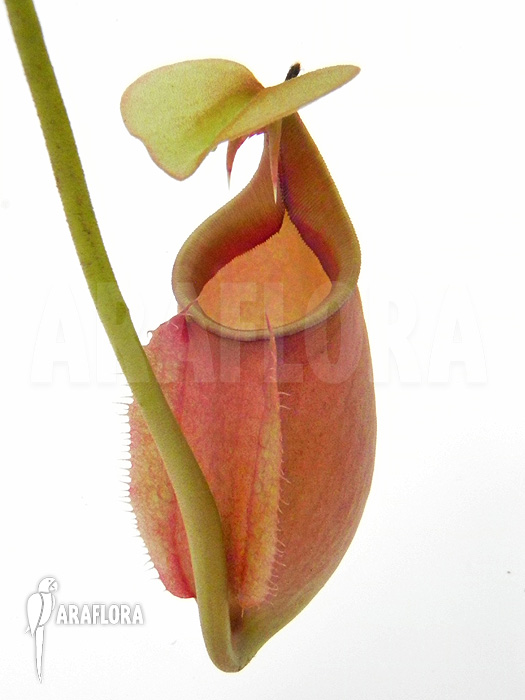
Nepenthes bicalcarata, a lowland species from Borneo, is one of the bigger pitcher plants. The pitchers can be quite large with distinctive fang-like structures that emerge below the lid of each pitcher. In the wild pkants can grow to a height of 20 metres, but are unlikely to do so in a domestic setting. The pitchers are greenish orange, with an orange to red flush from the covering of hairs. In its natural setting this species has a mutually beneficial relationship with ants living inside its tendrils. The ants provide the plants with additional nutrients and clean the peristome of contaminants, maintaining trapping efficiency for the pitcher's lifespan.





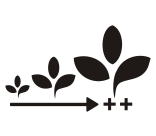







As with other Nepenthes species, Nepenthes bicalcarata requires a great deal of sunlight, but not direct sunlight or it will become dehydrated. The best temperature to cultivate this species is between 15 and 25 degrees Celsius, certainly no lower than 10 degrees Celsius or higher than 35 degrees. It should be watered liberally with rainwater or distilled water but the medium and pot must ensure effective drainage. It should be sprayed regularly with water to ensure that the pitchers are not empty. This species requires a high level of humidity but it can cope much better than many other species with a dry atmosphere. The best growing medium is neutral to slightly acid peat but additional feeding in the form of plant food is unnecessary. The plant can be pruned if it becomes too big.