


 Contact
  New
New 


Stephania erecta - SuCa292

Easy to care for

Container plant

Semi sun
 8 cm
8 cm
 7 cm
7 cm
Stephania erecta - SuCa292
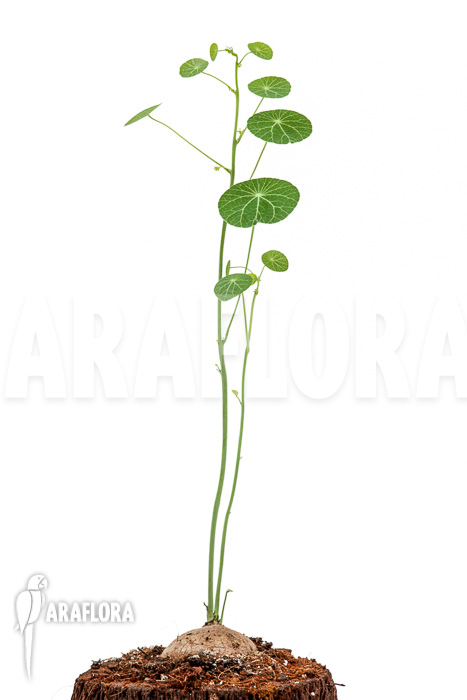
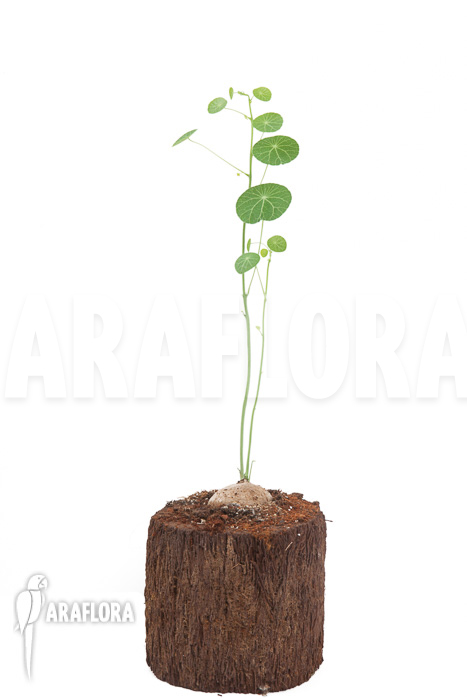
Stephania erecta has round leaves that might remind you of the pancake plant, but this is a Stephania erecta. This unique caudex plant normally grows around trees in countries like Thailand and Australia. Yet, we're sure Stephania erecta will find a beautiful spot in your urban jungle. Stephania erecta is beloved for its decorative tuber (caudex) and its graceful, rounded leaves with light green veins. A real eye-catcher for plant lovers looking for something unique.


This product is currently still in stock
Share this plant? Press on one of the following icons.
The Stephania erecta is a tropical caudex plant (caudex means tuberous). The plant is native to Thailand and Australia and does well in high humidity. A Thai climber, this Stephania erecta is a tropical caudex plant. Caudex means tuberous: the plant grows from a thickened tuber that stores water and nutrients. This type of plant is mainly found in warm areas where they often grow under a dense canopy and receive little water. In its natural environment, mainly in Thailand and Australia, the Stephania erecta grows up trees as a winding vine. The tuber can be located both above and below ground, from which tendrils emerge with beautiful round green leaves. Just like other caudex plants — such as Caladium, Oxalis and even the potato — the Stephania erecta follows a natural growth cycle. While most houseplants remain visible all year round, Stephania erecta works differently. This plant dies back in the winter and comes back to life in the spring and summer. Winter: the plant goes dormant, loses its leaves and does not grow. Spring & summer: new tendrils and leaves appear; this is its growth period. This natural cycle makes the Stephania erecta extra special — you can see it awaken anew every year and the tuber grow larger. For additional information about this Stephania from Araflora, the symbols below serve as product information.









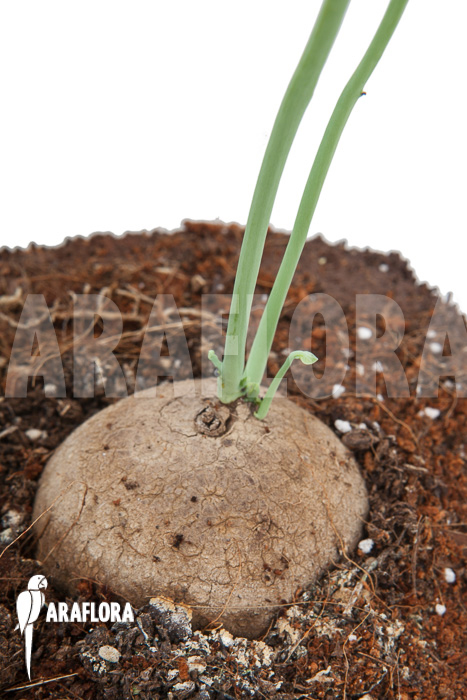
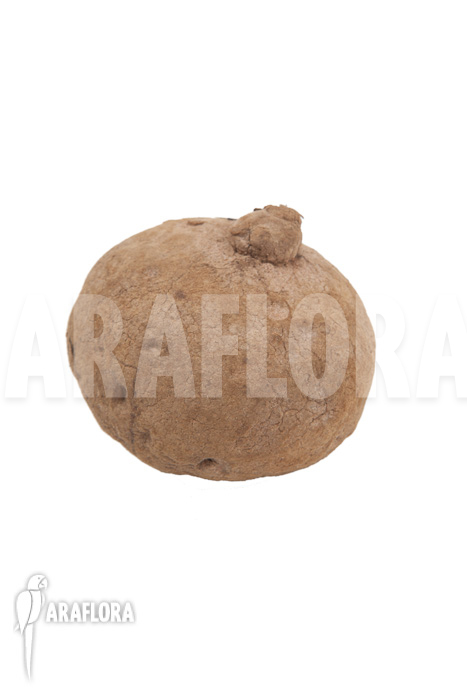
Caring for the Stephania Erecta: The tuber of the Stephania erecta looks a bit like a potato, which is why it's nicknamed the "holy potato." This potato-shaped caudex can store a lot of water and energy. As a result, the plant needs few roots: it only uses its roots occasionally to transport water to the tuber. Potting soil & water: Because the tuber is prone to rot, an airy soil mix is very important. A combination of, for example, perlite, coconut chips, and a little potting soil is ideal. This allows excess water to drain well and keeps the tuber healthy. The Stephania erecta only needs occasional watering. Water only when the soil has completely dried out. Too much water is more harmful than too little. Light & environment: Although the Stephania erecta doesn't need much water, it prefers a warm and humid environment with plenty of indirect light. Avoid bright, direct sunlight, but do provide a bright location. Stephania Erecta hibernates: As mentioned earlier, the Stephania erecta enters a deep winter sleep. At the end of autumn, the leaves become less attractive and die off one by one. The plant has expended all its energy during the summer, and this rest period is essential for vigorous growth again in spring. Here's how to help your Stephania get through the winter: Step 1 – Reduce watering: As soon as you notice the plant starting to lose its leaves, you can gradually reduce watering. Gradually reduce this to about one small watering per month. Leave the stem in place for as long as possible and only remove it when it has completely died back. This allows all the energy to flow back into the tuber. Step 2 – Dormancy: You can leave the holy potato in its original pot and stop watering it from around November onwards. Another option is to remove the tuber from the pot and store it separately until spring. Step 3 – Store the tuber: Carefully remove the tuber from the ground and, if necessary, shorten the roots if they are very long. Place the tuber in a paper bag and store it in a dark, cool place, such as a cupboard. Step 4 – Replant in spring: Remember where you store the tuber. In May, you can place the tuber halfway back in the ground and water it in small amounts. Over time, a small green tip will appear, which will grow into a beautiful plant. For additional plant care information about this Stephania, use the symbols below.