


 Contact
  New
New 


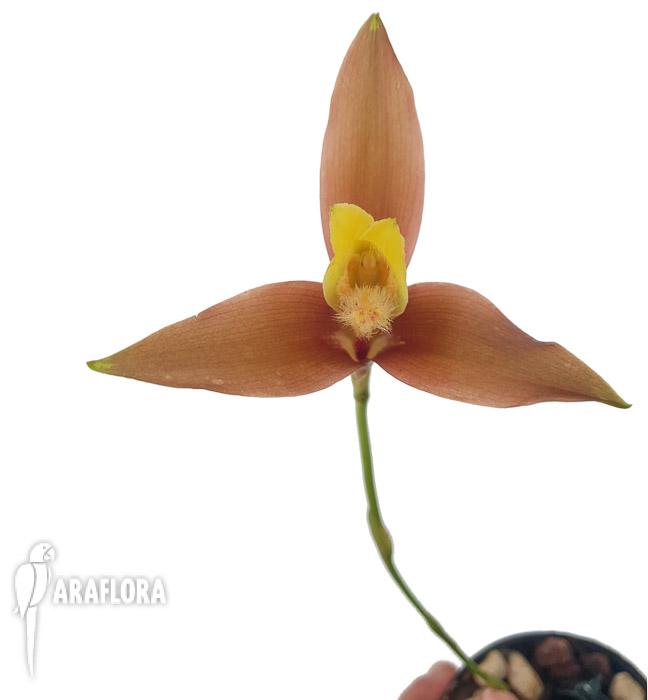
Lycaste lasioglossa - Orchid734

Easy to care for

Indoor

Semi sun

Flowering colour
 20 cm
20 cm
 10 cm
10 cm
Lycaste lasioglossa - Orchid734
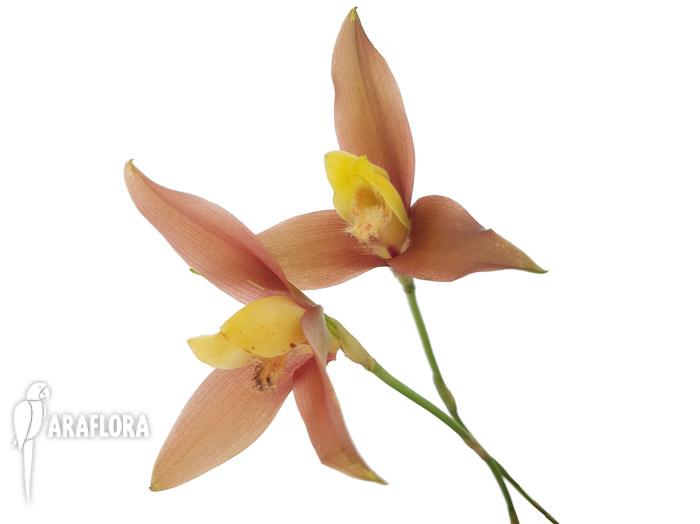
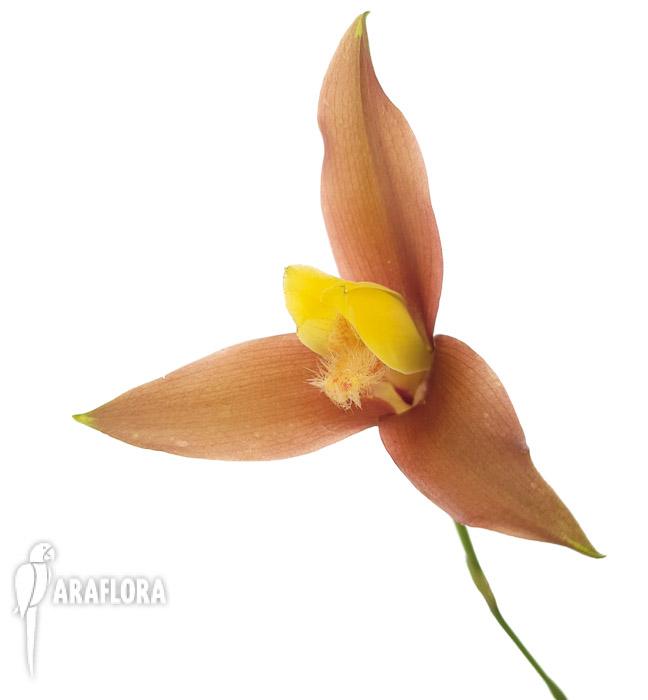
Lycaste lasioglossa is an elegant orchid species native to the cool montane forests of Costa Rica and western Panama. It grows at medium to high elevations, where it experiences bright filtered light, constant air movement, and a distinct seasonal cycle. This species is especially valued for its refined flower shape and beautifully textured lip.


This product is currently still in stock
Share this plant? Press on one of the following icons.
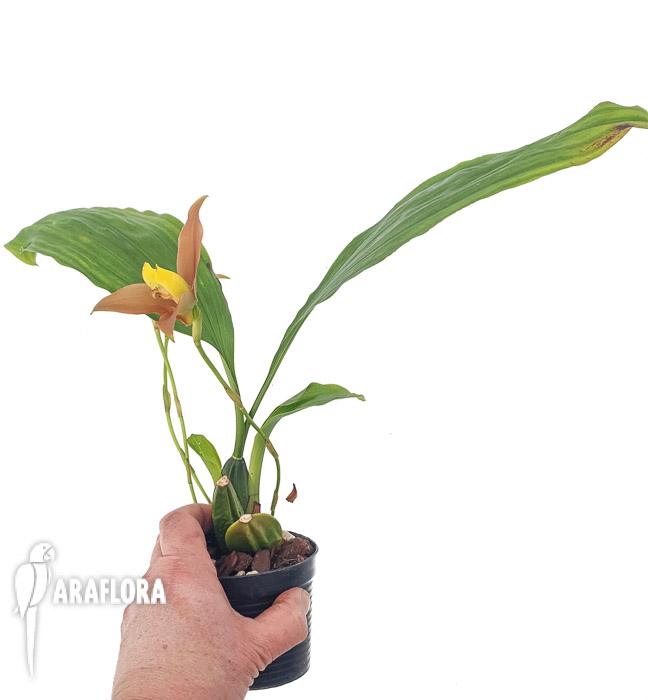
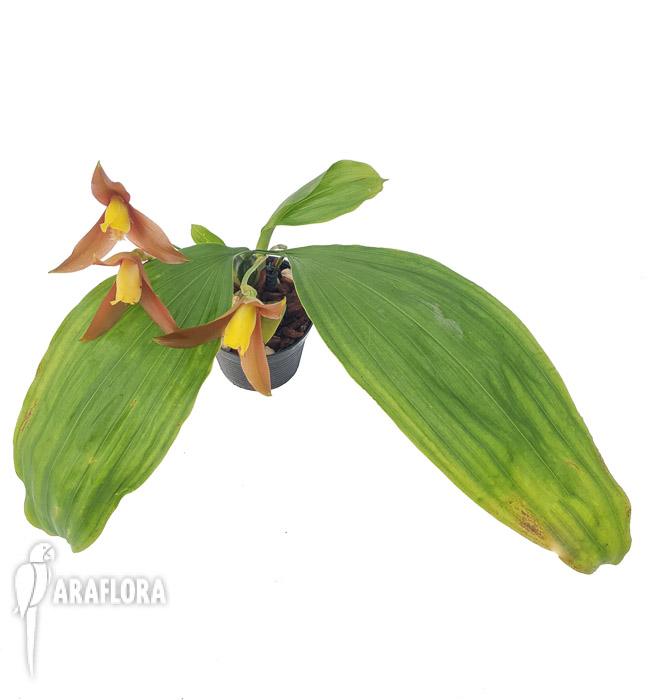
Lycaste lasioglossa is a deciduous, sympodial orchid that develops clustered, ovoid to slightly pear-shaped pseudobulbs. Each mature pseudobulb typically carries one or two apical, pleated (plicate) leaves during the growing season. The leaves are soft in texture, lanceolate to elliptic in shape, and can reach a considerable length, giving the plant a graceful, upright habit. At the end of the growing cycle, the foliage naturally yellows and falls, marking the beginning of its dormant period. Flower spikes arise basally from the lower part of mature, leafless pseudobulbs, usually in late winter to early spring. Each inflorescence typically bears a single flower, held upright on a sturdy peduncle. The flowers are medium-sized and display the characteristic triangular form typical of the genus Lycaste, with broad sepals and slightly narrower petals. The coloration is generally green to olive-green, sometimes with subtle tonal variations that enhance the sculptural quality of the bloom. The lip (labellum) is the most distinctive feature of the species. It is three-lobed and often noticeably darker than the sepals and petals, ranging from deep green to brownish or purplish tones. The name “lasioglossa” refers to the slightly hairy or velvety texture of the lip surface (“lasio” meaning hairy and “glossa” meaning tongue). The lip is structured to guide pollinators and may feature subtle callus ridges or textured areas near the base. The column is short and stout, typical for the genus, and the flowers are usually long-lasting, maintaining good substance and form for several weeks. Overall, Lycaste lasioglossa has a compact yet architectural growth habit. Even when not in bloom, the pleated foliage and well-formed pseudobulbs give the plant an ornamental quality. In flower, it displays a refined balance between soft green tones and dramatic lip contrast, making it a distinguished species in any orchid collection.








Lycaste lasioglossa thrives in bright, indirect light, similar to the filtered light it would receive in its natural cloud forest habitat. A position near an east-facing window or a lightly shaded south-facing window is usually suitable, as long as strong midday sun is avoided. The plant prefers cool to intermediate temperatures, with mild daytime warmth and noticeably cooler nights. This difference between day and night temperatures helps stimulate flowering and supports healthy growth. During the active growing season in spring and summer, the plant should be watered thoroughly and kept evenly moist, but never wet or waterlogged. Good drainage is essential, as the roots are sensitive to stagnant conditions. As autumn approaches and the leaves begin to yellow and fall, watering should gradually be reduced. In winter, when the plant is resting and often leafless, it should be kept only slightly moist to prevent excessive shriveling of the pseudobulbs. Humidity levels between 50 and 70 percent, combined with good air circulation, create an ideal environment. A well-draining potting mix such as medium-grade orchid bark with added perlite or a small amount of sphagnum moss works well. Repotting is best done in early spring when new growth begins to emerge. During the growing season, regular but light feeding with a balanced orchid fertilizer at half strength supports strong development. Fertilizing should be stopped once the plant enters its winter rest period. With proper seasonal care and a clearly defined rest, Lycaste lasioglossa will reward the grower with elegant and long-lasting blooms.