


 Contact
  New
New 


Dioscorea elephantipes - Bolrhiz02

Easy to care for

Container plant

Full light

Botanical
 15 cm
15 cm
 10 cm
10 cm
Dioscorea elephantipes - Bolrhiz02
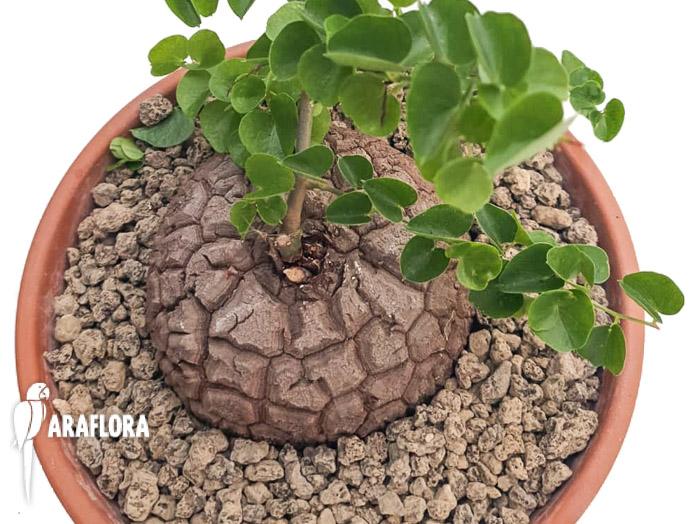
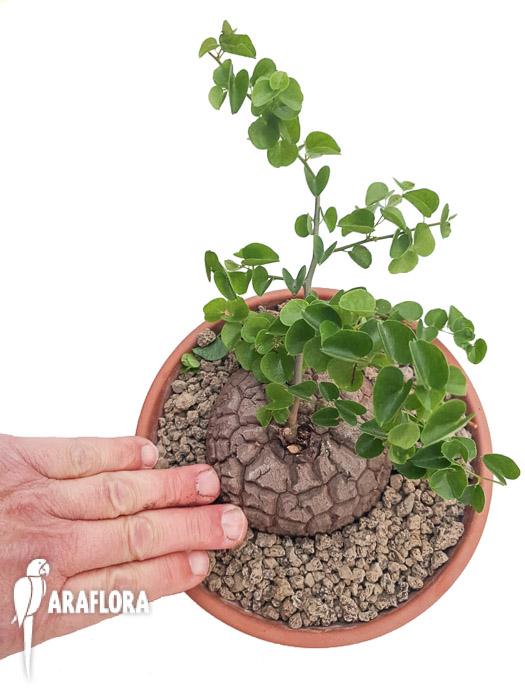
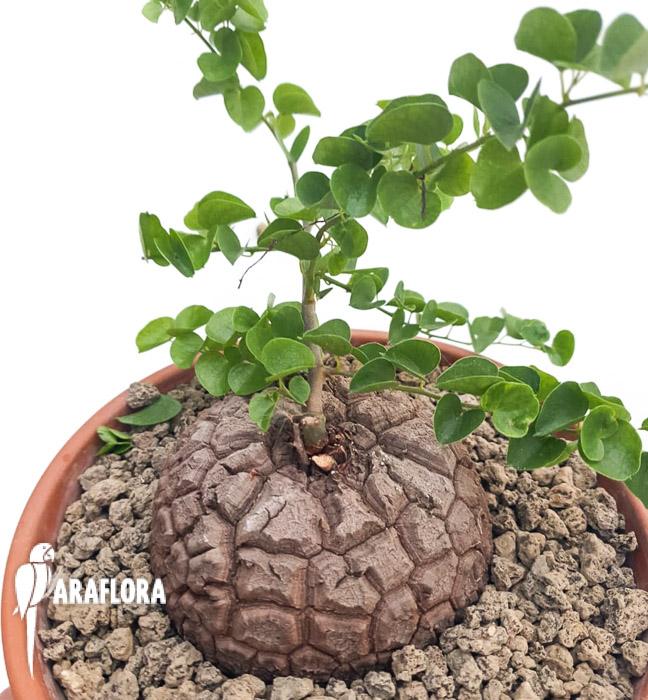
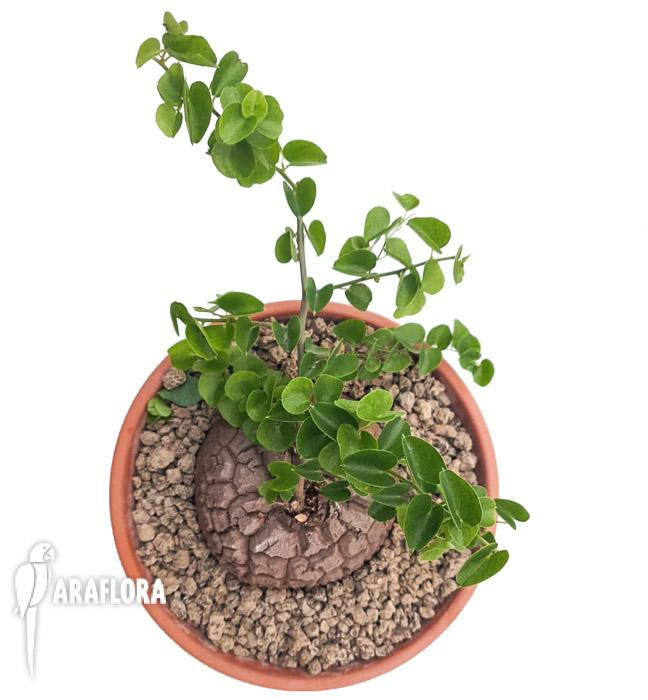
Dioscorea elephantipes is a botanical caudex plant that naturally occurs in dry and challenging climates in South Africa. The Dioscoreas have adapted by storing water and limiting evaporation. In Dioscorea elephantipes this takes place through a special root tuber. This tuber strongly resembles the shell of a tortoise and makes the plant immediately recognizable. From this striking “shell” grow climbing leaf stems with yellow flowers. It is a slow-growing species that can be kept well ...
at home with proper plant care.


Currently not in stock
€ 48,00
Keep me up to date?
Araflora will inform you as soon as the product is available again. Please fill in your e-mail address and we will let you know as soon as the product is back in stock. You will get an e-mail message when the product is available again. Unfortunately we cannot say how long this will be or what the price is likely to be.

Receive an e-mail when new stock of this plant arrives.
Share this plant? Press on one of the following icons.
Dioscorea elephantipes naturally occurs in the dry areas around Cape Town in South Africa. It is a caudex plant whose root tuber is commonly compared to an elephant’s foot or a tortoise shell. As the plant gets older, the tuber increasingly cracks open, which gives the plant its characteristic and decorative appearance. In summer, the plant forms a flower stem with heart-shaped leaves. During the flowering period, dozens of small, star-shaped yellow flowers appear. For additional product information about Dioscorea elephantipes, you can consult the Araflora product symbols.













Thanks to its natural origin, Dioscorea elephantipes requires relatively little care. The plant is well resistant to lower temperatures and in the wild can even tolerate temperatures around freezing point. At home, it can be kept in the living room without any problems. In winter, however, the plant enters a dormant period. To stimulate a new growth cycle, it is recommended to place it for three weeks at a temperature below 10 °C. During the growing period, watering once a week with a quarter of the recommended dosage of strong plant fertilizer is sufficient. During the dormant period, this can be reduced to once every two weeks, without fertilizer. Preferably use an airy substrate, such as a coarse mix of pumice stone and sand. Support the stems during growth for a beautiful and healthy result. For more care tips, you can consult the Araflora plant care symbols.